Before and after Harringay N15 garden rubbish removal success
Posted on 22/10/2026
If you have ever looked out at a tangled backyard and thought, "Where do I even start?", you are not alone. A real Before and after Harringay N15 garden rubbish removal success is often less about one dramatic moment and more about a sensible plan, steady work, and a clean finish that makes the whole space usable again. In Harringay, where gardens can be compact, shared, or a little awkward to access, getting rid of old branches, broken fencing, bags of soil, and general green waste can quickly turn a tired outdoor area into something you actually want to spend time in.
This guide walks you through what the transformation looks like, why it matters, how the process works, and what to watch out for. You will also find practical advice on timing, compliance, and the small decisions that make the difference between a rushed tidy-up and a genuinely satisfying result. Let's face it, a garden can go from "not too bad" to "serious job" very quickly.
Why Before and after Harringay N15 garden rubbish removal success Matters
The phrase "before and after" is doing a lot of work here, because the value is not just visual. A neglected garden can feel heavy, cluttered, and oddly draining every time you look at it. Once the rubbish is removed, the space changes fast. Light comes back in. Paths become visible. The garden feels bigger, calmer, and easier to use.
In Harringay N15, where many properties have modest outdoor spaces, that shift matters even more. A small garden with piles of green waste can feel unusable, while the same garden cleared properly can suddenly become good for children, pot plants, seating, or just a cup of tea on a decent day. You notice the space differently once the clutter is gone. Funny how that works, really.
There is also a practical side. Leftover garden waste can attract damp, encourage pests, and make routine maintenance harder. If you are trying to sell, rent out, or simply keep on top of the property, a clean garden helps with first impressions. In that sense, rubbish removal is not just a tidy-up task. It is part of good property care.
Expert summary: A successful garden rubbish removal job is not measured only by how much is taken away. It is measured by how usable, safe, and visually settled the garden feels afterwards.
How Before and after Harringay N15 garden rubbish removal success Works
A proper garden rubbish removal process starts with sorting, not lifting. That sounds simple, but it saves time and avoids unnecessary cost. The main question is what needs to go: green waste, broken garden furniture, soil, old fencing, plant pots, timber offcuts, or a mix of everything. Once that is clear, the job can be planned in a sensible order.
Usually, the "before" stage involves a quick assessment of access, volume, and waste type. Is there side access? Can a vehicle park nearby? Are there thorny branches, heavy bags, or awkward items that need two people? These details matter more than people expect. A neat driveway clearance is one thing; a narrow back garden with a wet lawn after rain is another entirely.
The "after" stage is where the success becomes obvious. The visible floor space returns. Edges are easier to cut. The shed door opens properly. You can see what needs pruning next, rather than guessing. If the removal has been handled well, the garden should feel reset rather than half-finished.
There is one more thing worth saying: good waste removal is usually tidy at both ends. That means protecting surfaces where needed, loading efficiently, and leaving the area swept through as far as practical. The job should not finish with a mess at the gate. Nobody wants that little surprise.
Key Benefits and Practical Advantages
There are several reasons people choose professional garden rubbish removal instead of trying to drag everything out themselves. Some are obvious. Some only become clear after the work is done.
- Immediate visual improvement: The biggest transformation is often the simplest one. Once waste is cleared, the garden looks larger and more intentional.
- Safer outdoor space: Loose timber, rusty metal, and hidden debris can be trip hazards. Clearing them reduces everyday risk.
- Better garden maintenance: You can mow, prune, sweep, and plan planting far more easily once clutter is gone.
- Less stress: A big pile of waste can feel oddly overwhelming. Removing it gives you back momentum.
- More usable space: Seating, storage, play areas, and planting beds all become easier to plan.
- Cleaner property presentation: This matters if you are preparing for photos, inspections, or a move.
There is also a subtle benefit that people often miss: once the rubbish is cleared, you make better decisions. It is much easier to see whether a fence needs repair or whether a shrub should stay when the clutter is out of the way. In other words, rubbish removal improves the view and the judgment.
Who This Is For and When It Makes Sense
Garden rubbish removal makes sense for a broad mix of people. It is not only for major overgrowth or end-of-tenancy jobs. Sometimes it is just a spring clean that got away from you, and that is fine.
You may need this service if you are:
- clearing up after pruning, hedge trimming, or tree work
- dealing with a garden that has become cluttered over winter
- preparing a home for sale or rental photos
- recovering from a DIY landscaping project that left timber, turf, and soil behind
- managing an inherited property or a long-neglected outdoor space
- trying to create a safer area for children or pets
It also makes sense if you are short on time or do not have the right vehicle. Garden waste has a habit of being bulkier than it looks. One pile of branches can become three loads very quickly. To be fair, that is one of the classic surprises of outdoor clearances.
For some households, skip hire feels like the default option. For others, a direct rubbish removal service is simpler because the waste is taken away in one visit and there is less manual handling on your part. The better choice depends on volume, access, and how much sorting you want to do yourself.
Step-by-Step Guidance
If you want the best before-and-after result, a structured approach helps more than brute force. Here is a practical way to think about it.
- Walk the garden first. Look for everything that needs removing, including hidden corners, shed sides, and behind planters.
- Separate waste types. Green waste, mixed rubbish, timber, metal, and soil may need different handling or disposal methods.
- Check access points. Measure gate width, note any steps, and think about where a vehicle can stop safely.
- Protect surfaces. If the ground is soft or the weather has been wet, plan for mats, boards, or careful foot traffic.
- Remove bulky items first. Old pots, broken furniture, and large branches create the most visual change and free up space quickly.
- Bag or bundle loose material. Leaves, twigs, and light cuttings are easier to move when contained.
- Load efficiently. Heavy items go in first, lighter material fills gaps. That is the part people rarely enjoy, but it matters.
- Sweep and check the space. The finishing touch is what turns a clearance into a success.
A realistic example: imagine a back garden in N15 with ivy cuttings, two broken chairs, old compost bags, and a stack of damp branches behind the shed. It does not sound dramatic. Then you start moving it all, and suddenly half the garden appears again. That first clear patch changes everything.
A simple rule of thumb
If it blocks movement, hides the surface, or could become a safety issue, it should go early in the process. If it is light but messy, contain it. If it is heavy and awkward, do not improvise badly. That is how backs get grumpy.
Expert Tips for Better Results
A few small decisions can make the whole job smoother and cleaner. These are the sorts of details that are easy to skip, then you end up paying for them in time and effort.
- Do the clearance before a dry window if you can. Wet ground slows things down and makes everything feel heavier.
- Cut long branches down before removal. Shorter lengths are easier to move and stack safely.
- Keep mixed waste separate where practical. Green waste is often simpler to process than mixed rubbish.
- Clear from the back towards the exit. It prevents re-tracking through already cleaned areas.
- Work in visible zones. Seeing one section improve keeps the momentum going.
- Leave a final corner check. Small scraps love to hide under leaves and fence lines.
Another useful tip: if you are doing this around a busy family schedule, break the work into manageable parts rather than trying to "finish it all" in one burst. A garden clearance is not a race. It is more like a sequence of small wins. Slightly boring advice, maybe, but it works.
And if you are hiring help, ask what happens to the waste after collection. Responsible disposal and recycling practices are worth understanding, especially for larger loads. A clean garden should not come with avoidable waste elsewhere.
Common Mistakes to Avoid
Most failed garden clearances do not fail because of one huge problem. They fail because of a few small ones stacking up. The good news is that most of them are avoidable.
- Underestimating volume: Garden waste compresses badly in the imagination. It always looks smaller before you start.
- Mixing every material together: This can make removal slower and less efficient.
- Ignoring access issues: A narrow passage or steep steps can change the plan completely.
- Forgetting hidden waste: Behind sheds, under tarps, and along fences are classic problem spots.
- Leaving sharp or heavy debris for last: That is when people get tired and less careful.
- Not planning where waste will go: If it has no destination, it tends to sit there for longer than you want.
One common mistake people make in Harringay gardens is trying to treat every outdoor clearance like a quick bag-and-go job. Sometimes it is. Sometimes it is not. If there is old soil, rubble, or construction-style debris mixed in, the approach changes. That is worth checking early rather than discovering it halfway through, when everyone is already a bit sweaty and mildly annoyed.
Tools, Resources and Recommendations
You do not need a huge amount of kit to get better results, but the right tools save time and reduce mess. The basic list is pretty straightforward.
- Heavy-duty gloves: Useful for brambles, broken pots, and rough timber.
- Garden sacks or rubble bags: Better than flimsy bags that split halfway to the gate.
- Fork, rake, and shears: Good for gathering, lifting, and cutting waste into manageable pieces.
- Wheelbarrow or sturdy tub: Helpful for moving heavy material safely.
- Dustpan and broom: Essential for the final sweep-through.
- Tarpaulin: Useful for collecting branches or protecting paths.
If you are looking at a larger project, it can also help to think about related services. For example, if the garden job has drifted into a full outdoor clean-up, a broader services overview can help you understand which type of clearance suits the job best. In some cases, garden waste is only one part of a bigger property tidy-up.
You may also want to consider garden waste removal in Harringay if your main problem is green waste rather than mixed junk. When the pile is mostly cuttings, branches, and organic material, that narrower option can be the cleanest fit.
And if the job has expanded into old tables, broken chairs, or other bulky items, a look at furniture disposal in Harringay may be useful too. Gardens have a habit of becoming storage spaces, whether we mean them to or not.
Law, Compliance, Standards, or Best Practice
Garden rubbish removal is not just about appearance. There are also practical and legal expectations around waste handling, especially when a third party collects and transports it. In the UK, householders should be careful about who handles their waste and whether it is taken away responsibly. You do not need to become an expert in regulations, but you do need to avoid careless disposal.
Good practice usually means:
- checking that waste is handled by a legitimate carrier
- keeping garden waste separate where possible
- not fly-tipping or leaving waste in communal areas
- being careful with sharp materials, treated wood, or potentially hazardous items
- understanding that some mixed loads may need different disposal routes
If you are unsure about what can go with what, ask before the job begins. That is especially sensible if the pile includes old paint tins, chemicals, broken glass, or anything that is not standard garden waste. Better to pause and clarify than to create a disposal headache later.
For householders in the area, it can also help to be aware of local expectations around domestic waste handling. A useful place to start is this guide on Haringey council rules for domestic rubbish removal in Harringay, especially if your garden clearance overlaps with general household waste. The key point is simple: keep the process tidy, lawful, and documented where needed.
Best practice takeaway: if a clearance looks straightforward but includes mixed or awkward waste, get clarity early. It is much easier than untangling a disposal issue after the fact.
Options, Methods, or Comparison Table
There is more than one way to handle a garden clearance. The right choice depends on the amount of waste, how quickly you want it gone, and how much lifting you are willing to do yourself.
| Method | Best for | Main advantage | Possible downside |
|---|---|---|---|
| DIY bagging and council disposal | Small amounts of green waste | Low direct cost if you already have the tools | Time-consuming, limited by transport and local rules |
| Skip hire | Large, ongoing projects | Handy for repeated loading over several days | Requires space and careful filling; can feel overkill for smaller jobs |
| Man-and-van style removal | Mixed garden rubbish and bulky items | Fast, flexible, and less lifting for the customer | Best value depends on access and load size |
| Phased clearance | Neglected or larger gardens | Lets you tackle the space in sensible sections | Takes longer and needs planning |
If your garden in N15 is full of mixed materials and you want a clear before-and-after result in one visit, direct removal often feels the simplest. If you are doing a full redesign over several weekends, skip hire can be more practical. Truth be told, there is no universal winner. It depends on the mess in front of you, not the theory in your head.
Case Study or Real-World Example
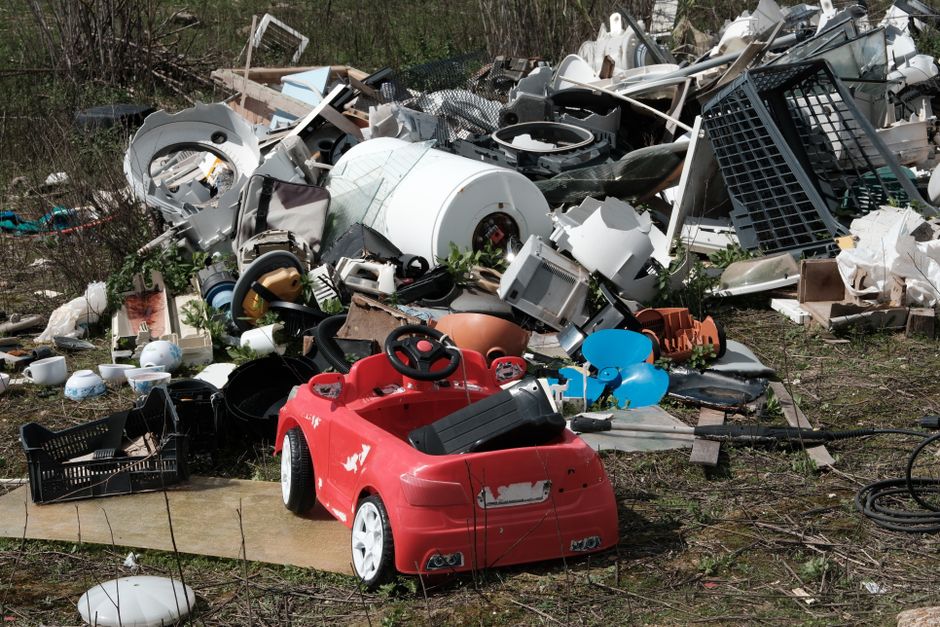
Here is a realistic scenario based on the kind of job that comes up often in Harringay. A small rear garden had become a catch-all space over one wet season: clipped hedges piled by the fence, three cracked planters, broken paving bits from a DIY border, and bags of leaves that had started to collapse in on themselves. Nothing dramatic on its own. Together, it made the garden feel cramped and oddly forgotten.
The first stage was simple sorting. Green waste was separated from mixed rubbish, and the heavier pieces were identified early. Access was checked through a side passage, which turned out to be narrower than expected, so the load-out plan had to be adjusted slightly. Nothing fancy, just careful work and a bit of patience.
Once the bulky items were gone, the space looked different almost immediately. The path reappeared. The lawn edge could be seen again. The remaining small debris was swept up, and the final result was not just cleaner, but calmer. The owner later said the biggest surprise was how much larger the garden felt once the clutter had been removed. That seems to happen a lot, actually.
The important lesson from cases like this is that success is usually built in layers. First the obvious waste goes. Then the hidden waste. Then the tidy finish. Miss one layer and the result feels incomplete, even if the pile has disappeared.
Practical Checklist
Use this checklist before starting a garden rubbish removal job or booking help for one.
- Walk the entire garden and note all waste types
- Separate green waste from mixed rubbish where possible
- Check access through gates, side paths, and steps
- Identify any heavy or awkward items early
- Look for sharp objects, broken glass, or treated timber
- Decide whether the job is small, medium, or full-scale
- Think about whether you need same-day removal or can plan ahead
- Clear a parking or loading space if needed
- Protect paving, lawns, or indoor routes from mud and damage
- Arrange a final sweep so the garden is left usable
Quick decision tip: if you can see the whole problem in one glance, it may be a tidy-up. If you keep discovering new piles in odd corners, you are probably looking at a proper clearance job.
Conclusion
A strong Before and after Harringay N15 garden rubbish removal success is really about restoring possibility. The work may begin with a pile of branches, old pots, and awkward bags, but the result is about more than waste being taken away. It is about making the garden feel open again, easier to care for, and far more pleasant to use.
When the clearance is planned well, the difference can be surprisingly satisfying. You get back the floor space, the light, and the sense that the garden belongs to you again. That is often the part people remember most, not the rubbish itself. The quiet after the clutter is gone. Quite nice, really.
If your outdoor space in N15 feels overdue for a reset, the best next step is simple: take a close look at what is there, separate what needs removing, and choose the method that fits the job rather than forcing the wrong one. A tidy garden has a habit of making everything else feel a bit more manageable.
Get a free quote today and see how much you can save.


 Tipper Van - Rubbish Removal Prices in Harringay, N4
 Luton Van - Rubbish Removal Prices in Harringay, N4