Harringay Green Lanes station waste removal for events
Posted on 01/08/2026
Harringay Green Lanes Station Waste Removal for Events: A Practical Local Guide
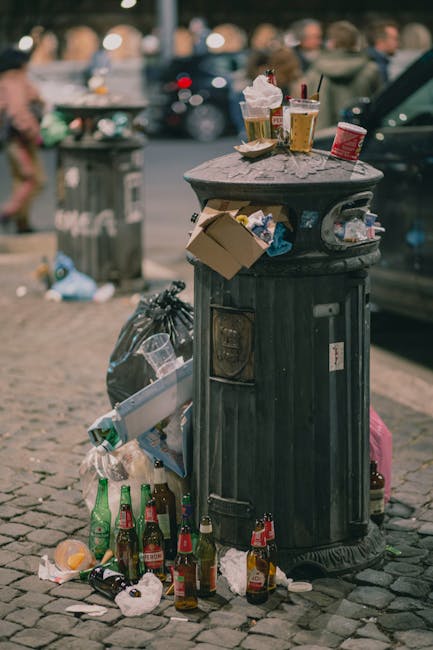
Anyone who has organised an event near a busy station knows the same thing can happen in a flash: cups pile up, cardboard boxes collapse, food packaging drifts into corners, and suddenly the place feels more like a clean-up job than a celebration. Harringay Green Lanes station waste removal for events is about getting ahead of that mess before it becomes stressful, costly, or awkward for guests, neighbours, and venue staff. Whether you are planning a community gathering, a pop-up launch, a private party nearby, or a busy trading day with footfall spilling away from the station, the right waste plan makes a very real difference.
This guide explains how event waste removal works in practice, who needs it, what to look out for, and how to avoid the usual headaches. It also covers simple compliance and best-practice points, plus a few local-minded tips that make the process smoother on the day and far less painful the next morning. Truth be told, the difference between a tidy event and a scrappy one is often just organisation.
Why Harringay Green Lanes station waste removal for events Matters
Events near Harringay Green Lanes station tend to create a specific kind of waste problem. You are dealing with a compact, high-traffic area, unpredictable guest flow, limited space for bins, and a lot of mixed rubbish in a short window. That could mean catering waste, disposable drinks cups, packaging from decorations, broken signage, cleaning debris, or the leftover bits no one notices until the end. And because the station area is busy, waste left out for too long can become visible very quickly.
That visibility matters. Not just for appearance, but for safety and goodwill. Overflowing rubbish can attract pests, create slips and trip hazards, and cause friction with nearby businesses or residents. If your event is close to a transport hub, people are moving constantly. Luggage wheels, pushchairs, bicycles, evening crowds, it all adds up.
It is also worth saying that event waste is not the same as routine household rubbish. The volume spikes, the mix is different, and the timing is tighter. A clear collection plan is part of event logistics, not an afterthought. If you are running a business or venue nearby, you may also want to look at rubbish removal for Haringey businesses, cafes and shops because many of the same pressures show up in event settings too.
Expert summary: the cleaner the handover between the event and the clearance team, the less likely you are to face complaints, delays, or last-minute panic. That is especially true around a station, where time, space, and foot traffic are all working against you.
How Harringay Green Lanes station waste removal for events Works
In simple terms, event waste removal works by matching the clean-up method to the scale and timing of the event. A small launch with a few bags of mixed waste will need a different approach from a weekend festival-style gathering or a large indoor-outdoor venue hire. The key is planning the pickup points, knowing what waste types are involved, and deciding whether you need one collection after the event or several during the day.
Most event teams break the process into three parts:
- Pre-event planning: estimating waste volume, deciding where bins or sacks will go, and agreeing how waste will be separated.
- On-site management: keeping waste from spreading across tables, entrances, loading areas, and pavements.
- Post-event clearance: removing bags, bulky items, packaging, and any leftover clutter quickly and safely.
For some events, same-day clearance is the simplest option. That is often the case when a venue needs to hand the space back quickly, or when there is a tight start-and-finish window. If timing is critical, the article on same-day rubbish removal in Harringay Green Lanes is useful background reading.
In practice, a good provider will ask what type of waste you expect, whether anything is heavy or awkward, where access is available, and whether the job needs a lift, rear access, or a quick curbside load. If that sounds fussy, it is a bit - but it saves hassle later.
Key Benefits and Practical Advantages
There is a clear reason organisers invest in event waste removal: it keeps the whole event more controlled. The obvious benefit is cleanliness, but there is more to it than that.
- Faster turnaround: you can clear the site quickly after the last guest leaves, which is especially handy for venue hires and pop-up events.
- Better presentation: clean spaces feel more professional and more welcoming, even during a busy event.
- Reduced disruption: less waste on pavements and entrances means fewer complaints from passers-by and neighbours.
- Safer movement: removing clutter reduces trips, blocked exits, and messy loading areas.
- More efficient staffing: your team can focus on guests, service, and operations rather than endless bin runs.
- Improved recycling outcomes: when waste is sorted properly, more of it can be handled responsibly.
There is also a quieter benefit that people forget: morale. A tidy site at the end of the night feels like a relief. You know the job is done properly. No one wants to wake up on a Sunday to a scene that looks like the bins have had a bad evening.
For organisers weighing different solutions, the comparison between collection methods can be helpful. If you are trying to decide whether a waste-clearance team or a skip is the better fit, take a look at cheap rubbish removal in Haringay vs skip hire. The right choice depends on access, urgency, and how much sorting you want to do yourself.
Who This Is For and When It Makes Sense
This service makes sense for a wider range of people than you might expect. It is not only for large public events. In fact, smaller gatherings often need it just as much, because they can generate a surprising amount of waste without the same infrastructure.
- Event organisers running parties, launches, mixers, or community gatherings near the station.
- Venue managers who need fast turnarounds between bookings.
- Local businesses hosting promotions, openings, tastings, or staff events.
- Private hosts planning birthdays, anniversaries, or seasonal celebrations.
- Caterers and suppliers left with packaging, boxes, and disposable service materials after set-up.
- Community groups managing fairs, fundraisers, or one-off public activities.
It is especially sensible when your event creates any of the following:
- mixed rubbish and recyclables
- bulky packaging or broken display items
- heavy bags that staff should not be carrying long distances
- limited back-of-house space
- tight time windows for opening or closing
If you are still choosing an event location locally, you may also find best locations for parties in Haringey helpful, because venue layout has a huge effect on how easy waste removal will be later. And if you are still getting to know the area around the station, uncover the hidden gems of Haringey in London's suburbs gives a nice sense of the local setting.
Step-by-Step Guidance
If you want the clean-up to go smoothly, it helps to think of waste removal as part of the event build, not just the final sweep. Here is a practical way to handle it.
- Estimate the waste early. Count guests, vendors, food service points, and whether there will be cardboard, bottles, decorations, or bulky items.
- Identify your access points. Note the nearest loading access, any narrow passages, stairways, or areas where sacks can be left without blocking people.
- Separate waste streams where possible. Mixed waste is fine in many cases, but recycling is easier if you keep cardboard, plastics, and general rubbish apart from the start.
- Set collection points. Put bins or sacks in places that are visible but not in the way. Near exits, service areas, and food stations often works well.
- Plan for mid-event top-ups. If the event runs for several hours, one or two waste sweeps during the event can stop a small mess becoming a big one.
- Schedule the final clearance. Decide whether you need an end-of-night pickup, early morning clearance, or an emergency same-day response.
- Do a final walkthrough. Check behind bars, tables, toilets, storage corners, and outside the venue. That is where the odd bits hide.
A decent rule of thumb? If you think the waste will be "manageable," you probably still need a better plan. Events have a way of creating one more bag than expected. Then another. Then a box of damp napkins, somehow.
Expert Tips for Better Results
Here is where the practical details really matter. Small choices can save you a lot of time and embarrassment later.
- Use clear bin signage. Guests and staff behave better when the bins are labelled simply: bottles, cardboard, general waste, food waste.
- Keep bags tied and grouped. Loose bags are awkward to move and more likely to split.
- Protect walkways. Never let rubbish sit where people are queuing, entering, or carrying drinks.
- Remove breakables first. Glass, sharp packaging, and broken display materials should be handled early.
- Ask about heavy lifting before the day. If there are tables, staging, or large decorative pieces, mention them upfront.
- Make one person responsible. A single point of contact prevents mixed messages when the event is busy.
One thing we often see: organisers assume the venue team will "sort the rubbish later." Sometimes they will, sometimes they absolutely will not. It is safer to agree the boundary in advance.
If you are hiring help for a wider clean-up, the local services overview can be a useful starting point because event waste often overlaps with other clearance needs like furniture moving, office-style clearances, or general rubbish collection. And for urgent situations, emergency rubbish removal in Haringey explains how rapid response jobs are usually handled.

Common Mistakes to Avoid
Most event waste problems are preventable. The trouble is, they only look obvious after the event. A few common mistakes come up again and again.
- Leaving waste planning too late. If you only think about rubbish after the venue is booked, you may be stuck with poor access or not enough space.
- Underestimating volume. A "small" event can still create a lot of packaging, cups, napkins, and catering leftovers.
- Ignoring access constraints. Narrow pavements, parked cars, or awkward loading times can slow everything down.
- Mixing everything together without a thought. This makes recycling harder and can increase handling time.
- Not confirming timing. A collection booked too early can clash with guests; too late and waste sits around.
- Forgetting outdoor spillover. The pavement outside often needs attention too, especially near a station area.
There is also a sneaky one: not checking the final room after the music stops. People leave odd things behind. A charger cable, half a banner, a stack of leaflets, one chair nobody claims. Happens all the time.
If you want to avoid awkward pricing surprises, it is worth reading how to avoid hidden fees in rubbish removal quotes. The same principles apply to event work: clear description, clear access, clear timing.
Tools, Resources and Recommendations
You do not need a big toolkit to manage event waste well, but a few practical items make the job far easier. Think in terms of control, not complication.
- Heavy-duty waste sacks for mixed event waste and packaging.
- Clear bin labels so staff and guests know what goes where.
- Gloves and simple cleaning gear for safe handling and last-sweep tidy-ups.
- Stackable bins or tubs if you expect a lot of cups, bottles, or food packaging.
- A short site map marking loading points, bin zones, and restricted areas.
- A contact sheet with the event lead, venue manager, caterer, and waste crew details.
For readers planning a larger cleanup beyond an event, the following pages can help you compare related needs: rubbish clearance in Haringey, general waste removal, and local rubbish collection. They are useful if your event also leaves behind general clutter, oversize packaging, or mixed refuse that needs careful handling.
If the event is tied to a property launch, open house, or location showcase, the local articles on purchasing property in Haringey and Harringay real estate tips for savvy buyers may also be surprisingly useful. Different scenario, same need for a neat, organised presentation.
Law, Compliance, Standards, or Best Practice
Event waste removal touches on a few areas of compliance and best practice, even if you are not dealing with anything complicated. The main aim is simple: dispose of waste responsibly, keep people safe, and avoid causing nuisance or obstruction.
In the UK, waste should be handled by competent operators using appropriate vehicles, safe lifting methods, and responsible disposal routes. Organisers should also be careful about what is left on public land, especially near transport hubs where foot traffic and access matter. If bins overflow into walkways or rubbish is left loose outside, that can create practical and reputational problems quickly.
A few sensible best-practice points:
- keep waste off routes used by pedestrians and emergency access
- store sacks securely until collection
- separate recyclable material where possible
- make sure sharps, broken glass, and heavy items are handled safely
- confirm who is responsible for final waste removal before the event starts
If you are using a provider, ask about insurance and safety procedures. That is not overcautious; it is just good sense. You can also review the site's insurance and safety information for reassurance, plus the recycling and sustainability approach if you want to understand how waste is handled after collection.
For events with multiple suppliers or contractors, it is wise to confirm terms, access arrangements, and payment expectations in advance. A quick read through the terms and conditions and payment and security pages can save a lot of back-and-forth later.
Options, Methods, or Comparison Table
There is no single right answer for event waste removal. The best method depends on timing, volume, and how much hands-on work you want to do yourself. Here is a simple comparison to help you think it through.
| Method | Best for | Pros | Watch-outs |
|---|---|---|---|
| Manual bin management | Small events with low waste volume | Low setup effort, easy to control during the event | Can become messy fast if guest numbers rise |
| Scheduled collection after the event | Most private and commercial events | Simple, tidy, and less disruptive during the event | Needs good timing and clear access |
| Multiple same-day clearances | Busy events with ongoing catering or vendor turnover | Keeps the site cleaner throughout the day | Requires careful scheduling and coordination |
| Skip hire | Events with a lot of bulky or mixed waste | Useful if you have space and want longer loading time | Not always ideal near tight access points or short hires |
| Full waste removal team | Events needing fast, labour-inclusive clearance | Less lifting for your team, quicker finish | Needs clear instructions and an agreed collection window |
If you are trying to decide between a skip and a collection team, the useful question is not "which is cheaper?" but "which is easier for this exact event site?" Around Harringay Green Lanes station, access often decides the answer more than anything else.
For bulky or awkward leftover items, the guidance on bulky rubbish removal tips and costs is worth a look too, because event waste sometimes turns into furniture, display, or staging disposal without warning.
Case Study or Real-World Example
Picture a Friday evening launch near the station: a local business has invited customers, a few suppliers have brought display stands, there is catering on one side of the room, and the organiser wants the space back by the next morning. Nothing dramatic, just a busy, slightly chaotic event. By 9:30 pm, there are empty boxes in one corner, cup stacks at the bar, two broken display cartons, and several tied bags in the kitchen area.
The successful version of this job is not glamorous. It is just organised. The organiser had already marked where waste would be stored, told the caterer not to overfill bins, and arranged a clearance window for after closing. The waste team arrived, loaded the bagged waste first, checked for stray cardboard and packaging, and left the site clear enough that the cleaning crew could finish without working around clutter.
The less successful version? Everything is left until morning. Staff return tired, guests have to step around a pile of bags, and the venue manager spends half an hour figuring out what can go where. Not ideal. Not even close.
That is why planning matters so much for event waste removal around busy transport areas. The service is simple, but the outcome depends on the little things: timing, access, communication, and whether someone took five minutes to think about the exit route. Five minutes. Sometimes that is all it takes.
Practical Checklist
Use this checklist before the event and again at the end of the night. It keeps the job grounded.
- Confirm the type and size of event waste expected
- Decide where bins, sacks, and loading points will be placed
- Label recycling and general waste clearly
- Check access times and any restrictions near the station area
- Tell vendors and staff where to put packaging and breakables
- Keep walkways, fire exits, and entrances free of rubbish
- Arrange the collection time in advance
- Ask about bulky items, glass, and heavy lifting
- Do a final sweep of storage rooms, corners, and outdoor spillover
- Keep a named contact available for the clearance team
Quick takeaway: if waste is easy to find, easy to move, and easy to collect, the whole event feels calmer. It really is that straightforward.
Get a free quote today and see how much you can save.
Conclusion
Harringay Green Lanes station waste removal for events is really about control. Control of timing, control of presentation, control of the final handover. When that is done well, the event finishes neatly instead of limping across the line. Guests leave without seeing the mess, staff avoid the slog, and the space is ready for whatever comes next.
For local organisers, that matters more than people sometimes admit. A clean finish makes the whole event feel more professional, and a professional finish leaves a better memory behind. Not a bad result for something as unglamorous as rubbish, eh?
And if you want help choosing the right clearance approach for your own event, it is usually best to ask early rather than leaving it until the last bag is tied. A calm plan beats a rushed one every time.


 Tipper Van - Rubbish Removal Prices in Harringay, N4
 Luton Van - Rubbish Removal Prices in Harringay, N4