Haringey Council rules for domestic rubbish removal in Harringay
Posted on 06/06/2026
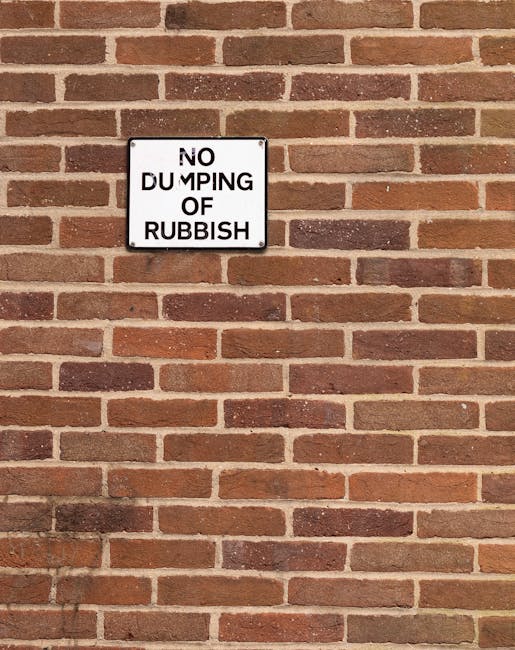
Haringey Council rules for domestic rubbish removal in Harringay: a practical guide for residents
If you live in Harringay, rubbish removal can feel simple right up until it suddenly isn't. One week it's a broken chair and a bag of garden cuttings; the next, it's a hallway full of boxes after a move, or a bulky sofa that won't fit through the front door. Haringey Council rules for domestic rubbish removal in Harringay matter because they shape what you can leave out, how you should present it, and when a bigger, more careful clearance approach makes sense.
This guide breaks the process down in plain English. You'll get the practical do's and don'ts, a sensible step-by-step approach, common mistakes to avoid, and a few local pointers that can save time and a bit of stress. No fluff. Just the stuff people actually need when the bins are full and the weekend is already too short.
Why Haringey Council rules for domestic rubbish removal in Harringay matters
These rules exist for a good reason: streets stay cleaner, collections run more smoothly, and waste is less likely to become a nuisance. In a busy area like Harringay, where homes, flats, shared entrances, and narrow residential roads often sit side by side, one badly placed heap of waste can create a nuisance fast. You'll notice it most on collection mornings, when one overfilled pile can block pedestrians, attract pests, or get left behind altogether.
There's also a wider issue of responsibility. Domestic waste should be managed so it doesn't create hazards for neighbours, council crews, or anyone moving through the street. That means thinking about bagging, sorting, timing, and whether the item is suitable for ordinary bin collection or needs a separate removal method. The difference sounds minor, but in practice it can mean the difference between a smooth clear-out and an awkward follow-up.
A lot of people only look up the rules after something has gone wrong. That is usually when the sofa is already on the pavement, the recycling is mixed with food waste, or a missed collection has made a tidy plan unravel. Better to know the basics before you start. If you are planning a bigger tidy-up, it can also help to read about the wider rubbish removal services available in Harringay so you can match the job to the right solution.
Expert summary: The safest approach is simple: separate your waste, check what belongs in normal household collections, and treat bulky or awkward items as a separate job rather than trying to force them into the usual bin routine.
How Haringey Council rules for domestic rubbish removal in Harringay works
At a practical level, domestic rubbish removal usually falls into a few categories: everyday household waste, recycling, garden waste, bulky items, and occasional clear-outs. The council side of things is mainly about what can be collected through normal household services and what needs a different route. That might mean a scheduled collection, a special collection, or a private clearance service if the waste is too large, too mixed, or too urgent.
The first thing to understand is that not everything should go out as mixed rubbish. Cardboard, food waste, glass, textiles, old furniture, and garden cuttings may each need to be handled differently. That sounds obvious until you're clearing a flat at 7:30 on a damp Tuesday and you've got boxes, a broken mirror, and half a bag of compost all staring back at you. We've all seen the "I'll deal with it later" pile. Later arrives, and it's still there.
For regular household disposal, the key questions are usually:
- Is this item accepted in normal household waste or recycling collections?
- Does it need to be bagged, boxed, or tied securely?
- Can it be presented on the correct day without blocking access?
- Is it too bulky, heavy, sharp, or messy for standard collection?
If the answer to the last question is yes, you're usually into bulky rubbish or dedicated clearance territory. That's where services such as local rubbish collection in Harringay can be helpful, especially if you want a straightforward pickup rather than a full-scale clearance.
There is also a difference between legal disposal and convenient disposal. Legal means the waste ends up somewhere authorised and traceable. Convenient means it disappears quickly. Ideally you want both. Truth be told, if a collection feels suspiciously cheap and vague, that's not a bargain; it's a headache wearing a discount label.
Key benefits and practical advantages
Following the rules properly is not just about avoiding trouble. It makes the whole process cleaner, faster, and less expensive in the long run. A little planning goes a long way.
- Fewer missed collections: Correct sorting and presentation reduce the chance that waste is left behind.
- Less clutter on the street: Particularly useful in terrace rows and shared access properties.
- Lower risk of complaints: Neighbours are less likely to object when waste is contained and timed properly.
- Better recycling outcomes: A cleaner split between recyclables and general waste is easier to manage.
- Safer handling: Sharp, heavy, or awkward items are dealt with more carefully.
There's a practical money angle too. When items are sorted properly before collection, you often avoid paying for unnecessary labour or extra trips. If you're comparing options, it may help to look at pricing and quote guidance before you commit to anything. That way, you can judge whether a collection fits your budget and your deadline.
And, as boring as it sounds, there's peace of mind in doing it properly. You don't have that nagging feeling of waiting for a complaint, a rejected pile, or a surprise mess after the bins have gone. Small win, but a real one.
Who this is for and when it makes sense
This topic matters to a lot more people than you might think. In Harringay, domestic rubbish removal rules come into play for all sorts of everyday situations:
- Tenants moving out: Especially when there's leftover furniture, packaging, or old household items.
- Homeowners decluttering: Loft clear-outs, garage sorting, or pre-sale tidying can produce a surprising amount of waste.
- Families after renovations: Even a small update can leave you with boards, broken fixtures, and packaging that doesn't belong in the normal bin.
- Gardeners: Grass cuttings, branches, and soil all need handling properly.
- Landlords and agents: End-of-tenancy clearances often need a quick, discreet solution.
- Busy households: Sometimes the issue is simply volume. The bins fill up faster than the council schedule can keep pace with.
If you're in a flat and there's limited storage, the timing matters even more. Waste left in shared hallways or by the front gate can cause friction fast, and nobody wants that awkward note from a neighbour pinned to the door. If your situation is broader than a simple bin-day tidy-up, a more comprehensive service such as house clearance in Harringay may be the cleaner route.
For residents dealing with one-off bulky items, even a single chair or mattress can be enough to justify getting help. Not because you can't move it, necessarily, but because the rules and logistics make it a faff. A proper plan saves the weekend.
Step-by-step guidance
Here's a practical way to handle domestic rubbish removal in Harringay without overcomplicating it.
- Sort the waste by type. Separate general rubbish, recycling, glass, cardboard, garden waste, and bulky items.
- Identify anything restricted. Batteries, paint, chemicals, electricals, and sharp items usually need special care.
- Check volume and weight. If the pile is more than a tidy household amount, stop and reassess before forcing it into normal bins.
- Bag or box everything safely. Loose waste is more likely to spill, scatter, or be refused.
- Keep access clear. Don't block shared paths, entrances, or pavement space.
- Decide on the removal method. Normal collection, special pickup, skip hire, or a professional clearance service.
- Book early where needed. If you're working to a move-out or refurbishment deadline, leaving it to the last minute is a classic mistake.
That last point sounds obvious, but to be fair, it catches people out all the time. One person clears a cupboard thinking it'll all fit into the weekly collection. Two hours later they're standing in a corridor surrounded by boxes. It happens.
If the job is bigger than you first thought, it can help to review broader removal options like rubbish clearance in Harringay or even waste removal in Harringay, depending on whether you need a one-off uplift or a more flexible service.
Expert tips for better results
After plenty of real-world clearances, a few habits consistently make the process easier.
- Start with the awkward items first. Big furniture, broken items, and anything sharp should be assessed before the smaller bags.
- Don't mix food waste with dry recyclables. It creates smell, spills, and avoidable contamination.
- Flatten cardboard. It saves space and makes collection easier, especially in small properties.
- Keep a "maybe" pile separate. Things you're not sure about should not end up in the wrong bag by accident.
- Use gloves for lofts, garages, and old storage boxes. Dust, splinters, and surprise screws are never far away.
- Be realistic about lift-and-carry access. A long staircase or tight front path changes the job more than people expect.
One practical tip that saves grief: take a quick photo of the waste pile before you book a collection. It helps you judge whether you need a simple pickup or something more involved. It's also useful if you're comparing prices, because vague descriptions like "a few things" can mean anything from one chair to a small mountain of furniture.
If you want a deeper look at the local side of disposal, the article on bulky rubbish removal tips and costs in Harringay Ladder is worth a read for nearby residents handling larger items.

Common mistakes to avoid
This is where many domestic clearances go wrong. Not dramatically wrong. Just enough to become annoying, which is often worse.
- Leaving waste on the pavement too early: It can cause complaints, block access, and sometimes attract pests or fly-tipping risk.
- Assuming everything can go in one bin: Mixed waste is one of the quickest ways to create problems.
- Forgetting about bulky items: Sofas, mattresses, wardrobes, and broken appliances rarely fit the standard bin model.
- Ignoring access issues: Narrow stairwells, parking restrictions, and shared entrances can change the plan completely.
- Using an unverified disposal option: If waste isn't handled properly, the responsibility can bounce back on you.
Another common slip is underestimating how fast waste builds up. A kitchen refresh produces packaging. A bedroom clear-out produces textiles, broken hangers, and old furniture. A garden job produces green waste plus all the random bits you forgot were outside. It snowballs, quietly.
If you're unsure how to handle particular items, it's better to pause and look for the right route than to take a guess. Guessing with waste is a poor hobby.
Tools, resources and recommendations
You don't need a truckload of equipment to manage domestic rubbish properly, but a few simple tools help a lot:
- Heavy-duty bags: Better for mixed household waste and garden debris.
- Cardboard boxes or sturdy crates: Useful for sorting recyclable or fragile items.
- Work gloves: Handy for sharp edges, old wood, and dusty spaces.
- Labels or marker pens: Great for marking what is for recycling, donate, keep, or dispose.
- A tape measure: Slightly old-school, but useful when checking whether a bulky item will actually fit through the doorway.
On the recommendation side, a good first step is to think in terms of waste type, urgency, and access. That simple three-part check usually tells you whether standard collection, a dedicated removal, or a service like junk removal in Harringay is the smartest fit.
For people trying to keep things tidy over time, sustainability matters too. Reuse where you can, separate recyclables carefully, and avoid sending usable items to the bin without thinking. The local approach to recycling and sustainability can help you make cleaner, more sensible disposal choices.
Law, compliance, standards, or best practice
Domestic rubbish removal sits within a broader framework of UK waste management expectations. The practical rule is straightforward: waste should be stored, moved, and disposed of in a way that does not create a hazard or nuisance, and it should go to an authorised route. That is the bit worth remembering, even if the exact council process changes over time.
Best practice usually includes:
- keeping waste on your own property until the correct collection time where possible;
- sorting recyclable and non-recyclable items properly;
- avoiding obstructions on pavements or shared access routes;
- ensuring bulky waste is handled safely;
- using a responsible carrier for larger or mixed clearances.
There's also a trust element. If someone is removing waste from your property, you want confidence that it will be dealt with correctly. That's why details around insurance and safety matter. They're not glamorous, but they do matter. A lot.
Where skip hire is involved, or where waste is stored temporarily outside a home, the same common-sense standards apply: don't block access, don't overload, and don't assume that "temporary" means invisible. For larger jobs, it is often easier to choose a structured service than to improvise with bags and borrowed bins.
Options, methods, or comparison table
There isn't one perfect method for every situation. Here's a plain comparison to help you choose the most sensible route.
| Method | Best for | Pros | Watch-outs |
|---|---|---|---|
| Normal household bin collection | Routine domestic waste and some recycling | Simple, low effort, usually the cheapest route | Limited capacity, strict sorting rules, not suitable for bulky items |
| Special council-style collection | Occasional bulky or awkward domestic items | Handy for one-off items, less effort than transporting yourself | May require booking and preparation; not ideal for large mixed piles |
| Skip hire | Renovations, heavy clear-outs, ongoing waste generation | Good capacity, useful for projects | Needs space, careful loading, and attention to access rules |
| Professional rubbish clearance | Mixed household waste, bulky items, time-sensitive jobs | Fast, convenient, often the least stressful option | Cost varies by volume, access, and item type |
If you are dealing with a home project rather than just a few bags, skip hire in Harringay can work well for the right property and access setup. But in tight streets or flats, a manual collection service is often more practical. That's the boring truth, but it's the useful one.
For furniture-heavy jobs, you may want to look at furniture disposal in Harringay rather than trying to squeeze a sofa into a system built for ordinary household waste. Different job, different method.
Case study or real-world example
Imagine a small terraced property in Harringay after a long-overdue clear-out. There's a two-seat sofa, a broken coffee table, three bags of general household rubbish, some cardboard from a new wardrobe, and a pile of garden cuttings from the back yard. At first glance, it feels manageable. "We can sort that ourselves," someone says. Then they notice the sofa won't fit through the hall without twisting it, and the garden waste is damp enough to weigh more than expected.
Instead of trying to do everything in one go, the smarter approach is to split the job into three parts: separate the general waste, flatten the cardboard, and treat the bulky items as a distinct removal task. If access is tight, it may be easier to use a dedicated collection service rather than trying to drag furniture down narrow steps or leave it outside overnight.
That kind of thinking also works for larger seasonal jobs. A spring clean, a pre-sale tidy-up, or the end of a tenancy can all look small right up until you start bagging. In a real-world sense, the best move is often the calm one: sort first, decide second, and don't leave it to the last minute on a rainy Friday afternoon when the alley smells faintly of damp cardboard. Not ideal, that.
If you are preparing a property for sale or a new move, you may also find it useful to explore property purchasing advice in Haringey and real estate tips for savvy buyers. They're not waste guides, exactly, but they do fit the wider life-admin picture around moving and clearing a home.
Practical checklist
Use this before you put anything out for collection or book a service.
- Have I separated general waste, recycling, and bulky items?
- Do I know whether any item needs special handling?
- Is everything bagged, boxed, or bundled safely?
- Will my waste block paths, doors, or shared access?
- Do I need a one-off collection, skip hire, or full clearance?
- Have I checked whether the items are suitable for normal household disposal?
- Have I allowed enough time for booking and collection?
- Have I considered reuse, donation, or recycling before disposal?
- Do I understand the quote, including access and labour considerations?
- Is the chosen disposal route responsible and traceable?
Tick those off and the whole thing becomes much more manageable. Honestly, that simple list saves more confusion than most people expect.
Conclusion
Haringey Council rules for domestic rubbish removal in Harringay are really about keeping waste safe, contained, and properly sorted so it can be collected or removed without causing a mess for you or anybody else. Once you understand the basics, the process is far less intimidating. The key is to treat normal household waste, bulky items, and larger clear-outs as different jobs with different solutions.
Take a little time to sort things properly, avoid dumping waste too early, and choose the removal method that actually fits the property and the volume. That approach is calmer, cleaner, and usually cheaper than trying to improvise at the last minute. And if you're still unsure, that's completely normal. Waste jobs have a way of looking simple right up until the bags start multiplying.
Get a free quote today and see how much you can save.
If you want a more hands-on next step, review the available services, compare your options, and make the choice that keeps your home tidy without creating extra work later. A well-handled clearance is one of those small wins that makes a house feel lighter. You do notice it.
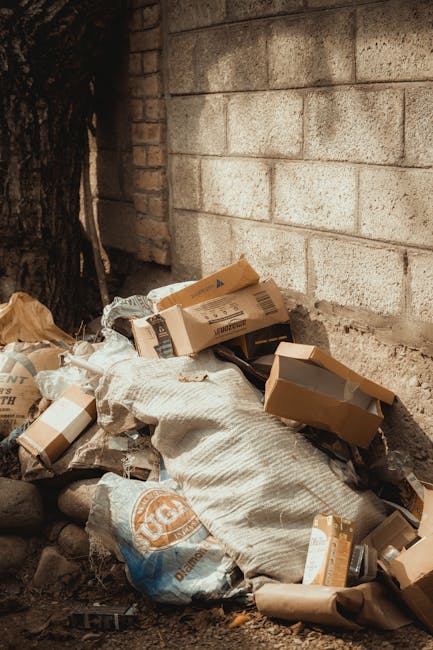


 Tipper Van - Rubbish Removal Prices in Harringay, N4
 Luton Van - Rubbish Removal Prices in Harringay, N4